
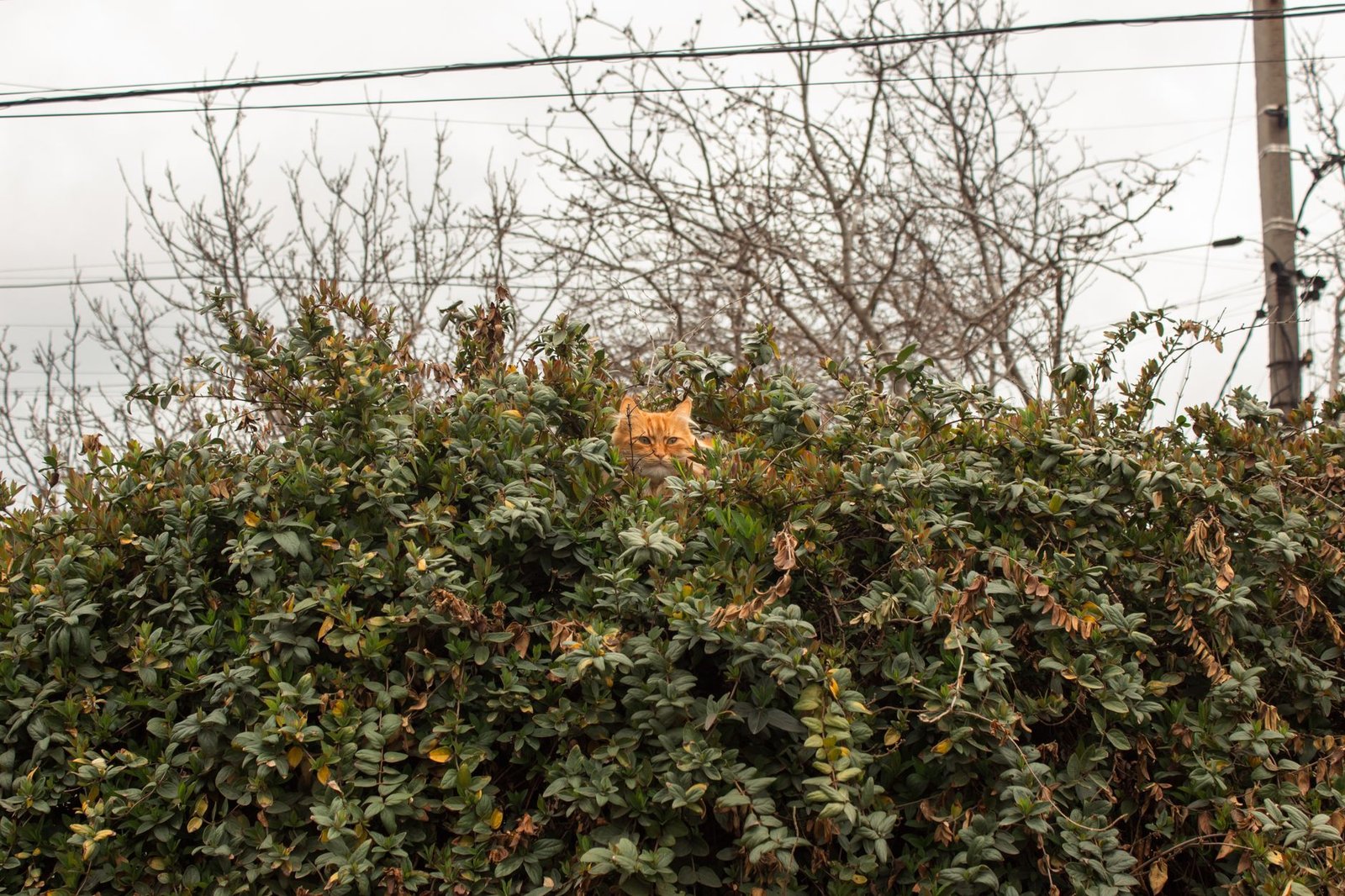
Chronic kidney disease is one of the most common conditions in senior cats, and it stays hidden because cats compensate until much of the kidney function is already gone. The first clues look like ordinary aging: drinking more, larger litter clumps, slow weight loss, an unkempt coat. Blood and urine testing together find it far sooner than symptoms do.
Why Older Cats Are So Often Affected
The kidneys filter waste, balance fluids and minerals, and help regulate blood pressure. That workload never pauses, and over a long life the filtering units gradually wear out and are not replaced. By the time a cat reaches double digits, some degree of reduced kidney function is common enough that veterinary teams screen for it as a matter of routine rather than as a special investigation.
Cats living in Kitsilano and across Vancouver’s West Side are living longer than they used to. Indoor life, good parasite prevention, consistent vaccination and better nutrition all push the average lifespan up. That is a genuine win, and it also means more cats reach the ages at which chronic kidney changes show up. Longevity and chronic disease travel together.
Why It Hides for So Long
Kidneys have enormous reserve. A cat can lose a large share of functioning kidney tissue before any change appears on a standard blood panel, and more still before an owner sees anything at home. The body quietly compensates by producing more dilute urine and prompting the cat to drink more to keep up. Nothing looks wrong from the outside.
Cats are also expert at masking illness. A cat that feels a little off does not limp or whine. She sleeps in a quieter spot, eats a bit less, and grooms a bit less. Those changes are so gradual that they blend into the background of a busy household, especially in a multi-cat home where no one is watching a single litter box.
The Early Clues Owners Dismiss as Getting Older
This is the part worth reading twice. None of the following prove anything on their own, and none of them mean your cat has kidney disease. They are signs that warrant an exam and testing rather than a wait-and-see approach.
- Drinking more. A cat that starts hovering at the water bowl, the tap or a glass on the nightstand is telling you something. Increased thirst is one of the earliest and most reliable flags.
- Bigger clumps in the litter box. Owners often notice they are scooping more, or changing litter more often, before they notice anything about the cat. That is real data, so mention it.
- Gradual weight loss. Slow loss over months is easy to miss by eye. It is often first caught on a clinic scale, which is one of the quiet arguments for regular visits.
- A coat that looks unkempt. Dull, flaky or slightly greasy fur, or clumping along the back, usually means the cat has stopped grooming as thoroughly.
- Reduced appetite or fussiness. Walking to the bowl, sniffing and walking away is a change worth reporting, not a personality quirk.
- Bad breath. An unusual odour can reflect dental disease, kidney changes, or both, and it deserves a look inside the mouth.
Vomiting or diarrhea can also appear as kidney function declines, though those signs have many causes and are covered separately in our post on managing vomiting and diarrhea in pets.
Why a Urine Sample Matters as Much as Bloodwork
Bloodwork alone can miss early kidney disease. Blood values measuring waste products often stay inside the normal range until function has already declined considerably, so a clean panel can be falsely reassuring on its own.
Urine fills the gap. Urine concentration shows how well the kidneys are still holding on to water, and it frequently shifts before blood values do. A urine sample also shows protein loss, crystals, or signs of infection, and it can be cultured if the results point that way. Our pet diagnostic services include in-house urinalysis, urine culture and biochemistry panels, so blood and urine can be assessed on the same visit rather than in two separate steps.
Practically, this means asking your veterinary team how they would like the sample collected before you arrive. Sometimes non-absorbent litter sent home the day before is enough. Sometimes the team collects it at the clinic. Either way, a paired blood and urine assessment is a far stronger picture than blood alone, and abdominal ultrasound can add detail about kidney size and structure when it is indicated.
What Staged Monitoring Looks Like in Practice
If testing does show reduced kidney function, the next question is not simply whether it is present but how far along it is and how fast it is moving. Veterinary teams describe kidney disease in stages, using blood and urine values along with blood pressure, and they re-check on a schedule rather than waiting for the cat to look unwell again.
Staging is useful because it turns a frightening label into a plan. Early stages usually mean periodic rechecks, attention to hydration, and a conversation about diet. Later stages mean closer monitoring and more supportive care. Two cats with the same diagnosis can need very different plans, which is why the monitoring interval, the tests repeated and the treatments chosen are always decided case by case with the veterinarian who examined your cat. Our veterinary medical services cover this kind of ongoing chronic condition management.
Diet and Hydration: A Veterinary Plan, Not a DIY Fix
Diet is one of the most powerful tools in managing kidney disease, and it is also the easiest thing to get wrong at home. Therapeutic kidney diets differ from ordinary senior food in ways that only make sense once the stage is known, and switching a cat onto the wrong formulation, or onto any restricted diet without testing first, can do harm. Please do not start one based on a forum recommendation. Our pet nutrition counselling exists precisely so the food matches the test results.
Hydration support is gentler and useful for almost any senior cat. Offer more water stations around the flat, well away from the food and the litter box. Try a wide, shallow bowl, since many cats dislike their whiskers touching the sides. A circulating fountain tempts some cats. Wet food adds meaningful water intake for cats who accept it. If your cat is losing weight, appetite is the priority, so raise any diet change with the clinic before you make it.
Seasonal Stressors Worth Knowing About
Kidneys dislike dehydration, and Vancouver’s dry, warm August stretches are exactly when an older cat with limited reserve can slip behind. Sun-facing apartments near Cornwall Avenue heat up quickly, so keep fresh water available in more than one room, provide a cool shaded spot, and watch for a cat who is sleeping through the day and skipping the bowl entirely.
Two seasonal hazards deserve a separate mention because they injure kidneys directly rather than gradually. Lilies are severely toxic to cats, and even pollen from a summer bouquet can cause sudden kidney injury, which is one reason we wrote about plants that can harm your cat. Antifreeze spilled in a lane or parkade during the cold months is the other, and it is sweet-tasting and rapidly damaging. In either case do not wait and do not try to treat anything at home. Phone us immediately, or the nearest 24 hour emergency hospital if we are closed.
Why Twice-Yearly Senior Checks Catch It Earlier
A year is a long time in the life of a senior cat. Examinations every six months mean weight is tracked on the same scale often enough for a downward trend to stand out, blood pressure gets measured, the mouth gets examined, and screening tests are repeated close enough together that a shift in kidney values becomes visible while your cat still feels well.
Earlier detection does not mean a promise about outcomes. It means more options, less guesswork, and a plan built before your cat is unwell rather than during a crisis. Regular screening sits inside our wellness program, and you can read more general guidance in our post on wellness for senior dogs and cats in Kitsilano.
Frequently Asked Questions
At what age should my cat start kidney screening?
Many veterinary teams begin routine kidney screening around seven years of age and repeat it at least yearly, moving to every six months as the cat gets older. Cats with a history of urinary problems, high blood pressure or dental disease may be screened sooner. Ask our team what schedule suits your individual cat.
My cat is drinking more but seems fine otherwise. Can it wait?
Increased thirst is worth an appointment rather than a wait, because it is often the earliest visible sign and it has several possible causes in older cats, including kidney changes, thyroid changes and diabetes. Your cat looking well does not rule any of these out. Testing sorts them apart quickly.
Why does my veterinarian want a urine sample as well as blood?
Because urine can reveal a problem before blood values change. Urine concentration reflects how well the kidneys are conserving water, and it commonly shifts first. The sample also shows protein loss and signs of infection. Together, blood and urine give a far more accurate picture than either one alone.
Can I just switch my senior cat to a kidney diet to be safe?
No. Please do not start a therapeutic diet without testing and veterinary direction. These diets are formulated for specific stages of disease, and used in the wrong cat or at the wrong time they can contribute to weight and muscle loss. Get the testing done, then let the results guide the food.
Does chronic kidney disease mean my cat is in pain?
Not usually in the way an injury hurts, though cats can feel nauseated, weak or generally unwell as it progresses, and they rarely show it clearly. This is exactly why monitoring matters: comfort, appetite and hydration can be supported far more effectively when changes are caught while they are still small.
Book a Senior Cat Assessment in Kitsilano
Noticed your older cat emptying the water bowl faster, or found yourself scooping bigger clumps? Bring that observation to us. Our Kitsilano team is open seven days a week at 1889 Cornwall Avenue, serving families across Point Grey, Fairview, Kerrisdale and the wider West Side, and we can run blood and urine testing in-house during the same visit. Learn more about our diagnostic services or call to arrange a senior check.
Published by the team at Cypress St. Animal Hospital.
This article is for general educational purposes only and is not a substitute for an in-person veterinary examination. If you have concerns about your pet’s health, please contact Cypress St. Animal Hospital, or the nearest 24 hour emergency hospital for urgent concerns outside our opening hours.
Cypress St. Animal Hospital
1889 Cornwall Ave, Vancouver, BC V6J 1C6
Phone: +1 (604) 734-2500
Monday to Sunday: 9 am to 8 pm
Statutory Holidays: 9 am to 6 pm