
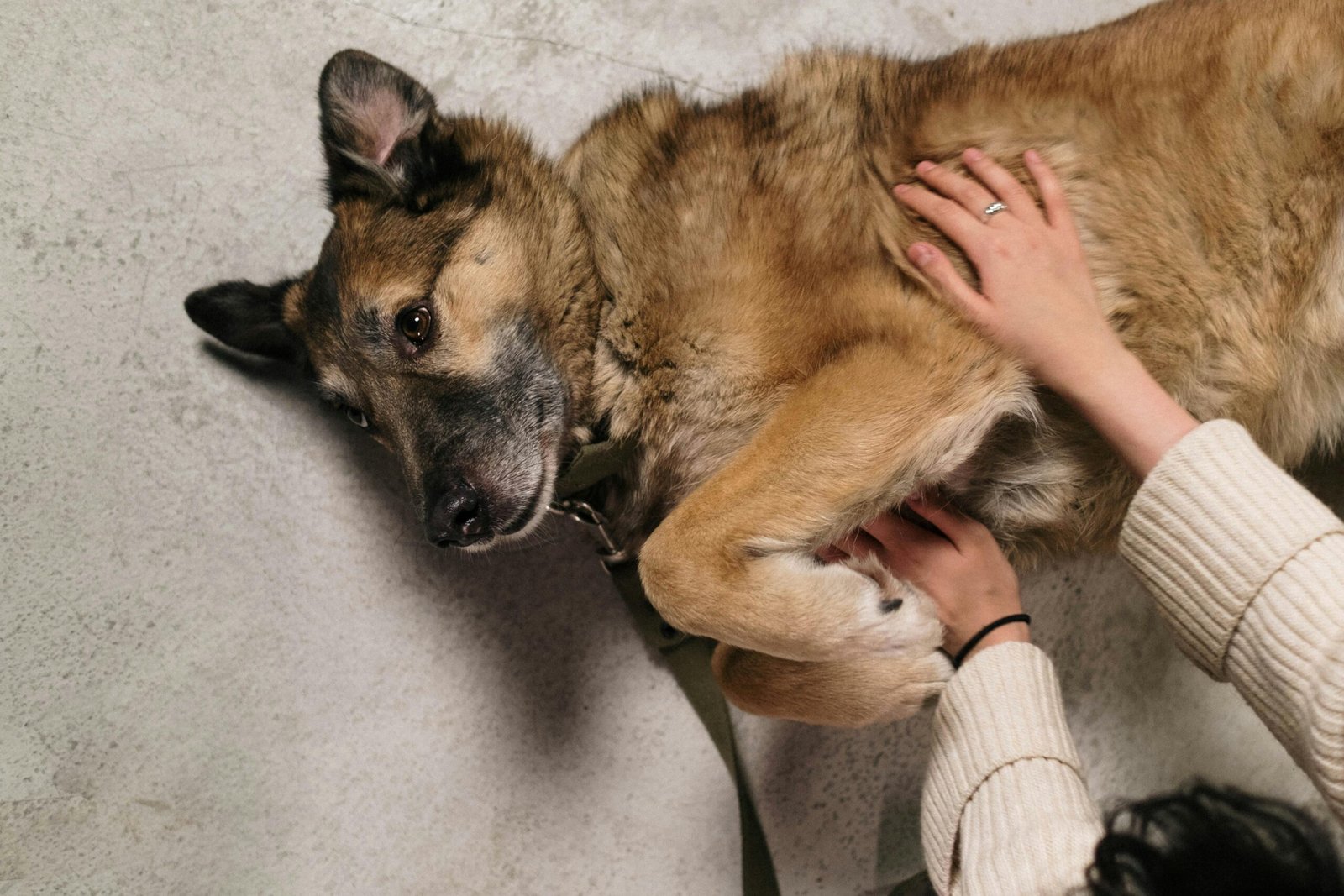
Spring arrives gradually in Kitsilano and with it comes a wave of fresh flowers both outdoors and inside our homes. For cat owners near Cornwall Ave and the surrounding streets, this seasonal shift is worth paying attention to. Several plants that are common in Vancouver gardens and popular as indoor arrangements can cause significant distress in cats if ingested. At Cypress St. Animal Hospital, we see a noticeable uptick in plant-related concerns every spring as new blooms arrive in homes and on balconies.
The Plants Most Commonly Seen in Kitsilano Homes This Time of Year
Tulips are among the most widely gifted and purchased spring flowers in Vancouver, and they are toxic to cats particularly the bulb, which contains the highest concentration of harmful compounds. Daffodils, another spring staple in local gardens along the Arbutus Greenway and Vanier Park area, are similarly harmful. Easter lilies are a particularly serious concern for cats specifically even small amounts of pollen or water from the vase may cause significant kidney-related distress. Hyacinths, which appear in many Kitsilano gardens in March and April, can also cause gastrointestinal upset if ingested by cats. This is not an exhaustive list if you are unsure whether a specific plant is safe, contact your veterinarian before bringing it into a home with cats.
Signs That May Indicate Your Cat Has Ingested a Harmful Plant
Cats are generally cautious eaters, but curiosity particularly with new objects in the home can lead to accidental ingestion. Signs that may indicate plant exposure include vomiting, drooling, lethargy, pawing at the mouth, loss of appetite, or in more serious cases, changes in urination patterns. If you notice any of these signs and suspect plant exposure, contact your veterinarian promptly. Do not wait to see if symptoms resolve on their own. If possible, bring the plant or a photograph of it to help identify what your cat may have encountered.
Creating a Cat-Safe Spring Home in Kitsilano
The simplest protective step is keeping spring floral arrangements out of rooms where your cat spends time, or choosing cat-safe alternatives. Many pet owners in Kitsilano opt for artificial spring flowers or cat-safe options such as roses, snapdragons, and orchids. For balcony plants, check that any new additions are safe for cats before placing them in accessible areas. Your veterinarian can provide a more complete list of safe and harmful plants at your next visit.
Frequently Asked Questions
Q: Are all lilies dangerous to cats?
A: True lilies including Easter lilies, tiger lilies, and daylilies are considered particularly harmful to cats. Other plants sometimes called lilies, such as peace lilies and calla lilies, can also cause problems. If you are unsure, contact your veterinarian.
Q: What should I do if I think my cat ate part of a toxic plant?
A: Contact your veterinarian or a pet poison helpline immediately. Do not wait for symptoms to appear. Prompt attention can make a significant difference in outcomes.
Q: Can cats be harmed by just touching a toxic plant?
A: Most plant-related concerns in cats involve ingestion. However, some plants particularly lilies can cause issues through contact with pollen or from drinking water that cut flowers have been standing in.
Q: My cat is indoor-only — should I still be concerned?
A: Yes. Indoor cats can access plants brought into the home as cut flowers or potted arrangements. Indoor-only status does not eliminate exposure risk.
Book Your Appointment
Have questions about keeping your cat safe this spring? Our team at Cypress St. Animal Hospital is happy to help. Visit us at 1889 Cornwall Ave, Kitsilano, or call (604) 734-2500 to book a visit. Register online at cypressvet.com.
Published by the team at Cypress St. Animal Hospital.
This article is for general educational purposes only and does not constitute veterinary advice. Always consult a licensed veterinarian before making decisions about your pet’s health. Contact Cypress St. Animal Hospital at (604) 734-2500.