
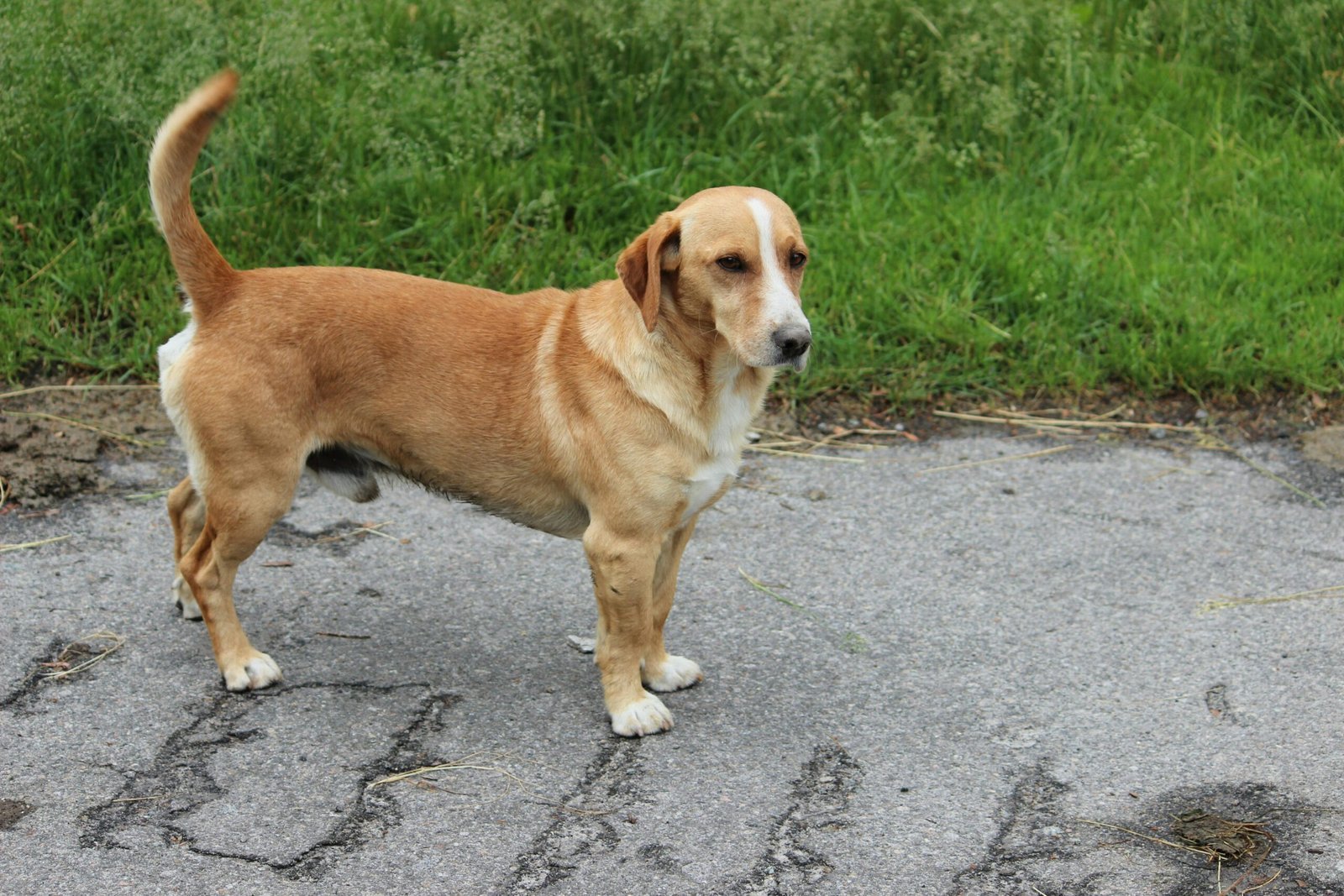
The holiday season in Vancouver often brings families together around shared meals, festive treats, and long evenings indoors. While these traditions create warmth and connection for people, certain Christmas foods commonly found in Canadian homes may pose risks for pets. Dogs and cats are naturally curious, and even well-trained pets may be tempted by unfamiliar smells and unattended plates.
Understanding which holiday foods can be harmful may help pet owners create a safer environment during the festive season.
Why Holiday Foods Pose a Higher Risk
During Christmas gatherings, food is often left within easy reach. Buffets, coffee tables, and low countertops may allow pets access to items they would not normally encounter. Changes in routine, visiting guests, and increased activity may also reduce supervision.
Veterinarians commonly advise extra awareness during holidays, as many emergency visits during December are linked to accidental food ingestion.
Chocolate and Sweet Treats
Chocolate is widely known to be unsafe for pets, yet it remains a frequent holiday hazard. Christmas desserts, gift boxes, and stockings often contain chocolate, increasing the likelihood of accidental exposure.
Additionally, sugar-free sweets may contain sweeteners that can cause serious digestive distress in pets. Wrappers and packaging can also present choking risks when chewed or swallowed.
Cooked Bones and Fatty Foods
Holiday meals often include roasted meats and rich side dishes. Cooked bones may splinter when chewed, posing risks to the mouth and digestive tract. Fatty foods such as gravy, stuffing, and meat trimmings may be difficult for pets to digest.
Veterinarians often explain that sudden dietary changes, especially involving rich foods, can contribute to gastrointestinal upset.
Onions, Garlic, and Seasonings
Many traditional Christmas recipes include onions, garlic, and spices that are safe for people but unsuitable for pets. These ingredients may be present in stuffing, sauces, soups, and casseroles.
Because these foods are often mixed into dishes, pet owners may not realize they are offering something potentially harmful when sharing leftovers.
Alcohol and Festive Beverages
Alcoholic drinks are common during holiday celebrations and may be accidentally consumed by pets if left unattended. Even small amounts can affect pets differently than humans.
Veterinarians commonly advise keeping all beverages securely out of reach and promptly cleaning spills.
Creating a Pet-Safe Holiday Table
Simple planning may help reduce food-related risks. Keeping pets out of the kitchen during meal preparation, using secure lids for trash bins, and educating guests about not feeding pets table scraps can assist in maintaining safety.
At Cypress St. Animal Hospital on Cornwall Avenue in Vancouver, veterinarians often discuss holiday safety during winter visits. These conversations help pet owners anticipate risks and make practical adjustments at home.
Conclusion
Christmas food is meant to be enjoyed by people, but it can present hidden dangers for pets. Awareness and preparation can assist pet owners in creating a festive environment that is safe for all family members. With thoughtful planning, Vancouver households can celebrate the season while supporting their pets’ well-being.
Disclaimer:
This article is intended for general educational purposes only and does not replace professional veterinary advice. For concerns about food ingestion or holiday safety, consult Cypress St. Animal Hospital, 1889 Cornwall Avenue, Vancouver, BC. Phone: (604) 734-2500.